ShotShow2016: KRISS USA
For Shot Show 2016 KRISS has released the Gen 2 Vector, now also available in 9 x 19 mm. The Vector Gen2 has a Cerakote finish available in many different colors: Black, FDE, OD Green, Alpine and Combat Grey. The KRISS Vector GEN II is more ergonomic with a redesigned trigger, a short throw ambidextrous safety lever, and a more comfortable pistol grip.
The caliber change between the .45 ACP to the 9 x 19mm doesn’t require any tools, and it takes a few seconds. After releasing three pins the whole lower receiver assembly come apart and you simply swap it with the other one.

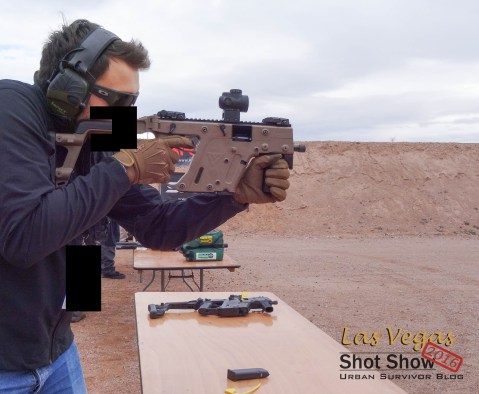
KRISS Vector GEN II SMG in 9mm FDE and KRISS Vector GEN II SDP in 9mm BLK.
 KRISS Vector GEN II SMG in 9mm BLK and KRISS Vector GEN II SBR in 9mm FDE.
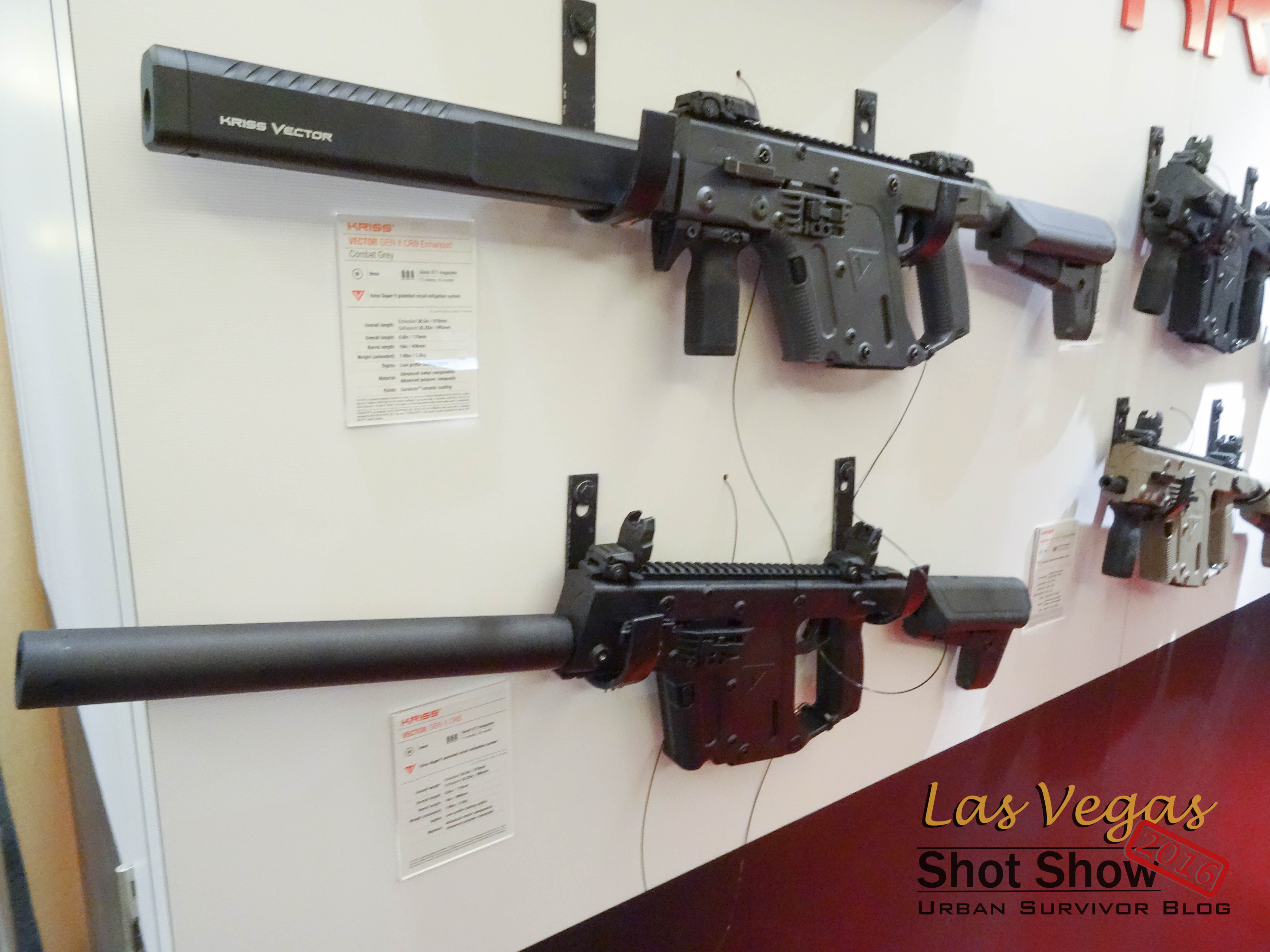

KRISS Vector GEN II CRB Enhanced in 9mm Combat Grey and KRISS Vector GEN II CRB in 9mm BLK.
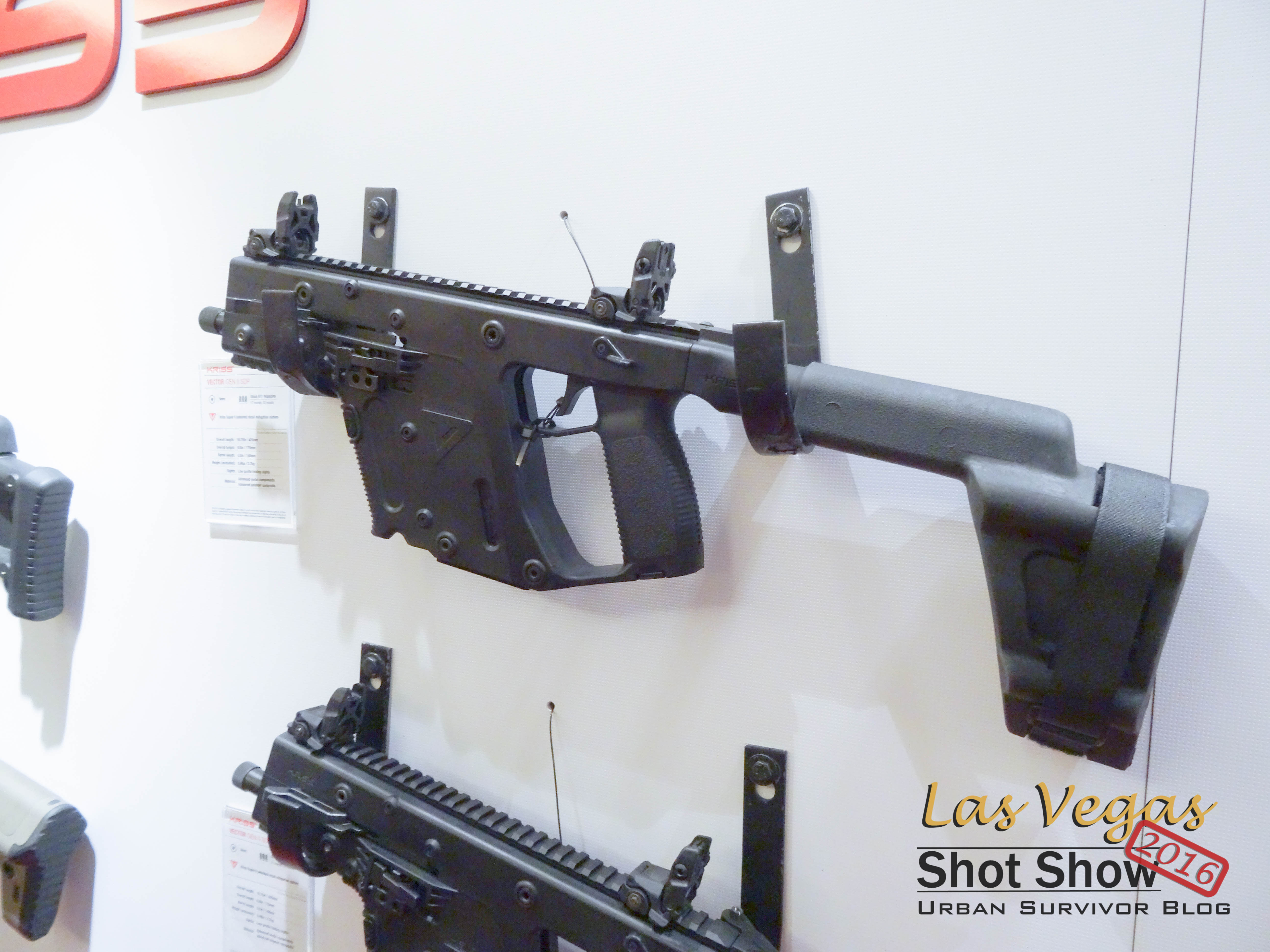 KRISS Vector GEN II SDP with stabilizing brace in 9mm BLK.


KRISS Vector GEN II SBR in 9mm Black and KRISS Vector GEN II SDP in 9mm Olive Drab Green.
Throughout 2016 KRISS will also release the Vector Gen 2 in other calibers. The lower receivers and the complete firearms will then be available to the public in .45 ACP, 9×19 mm, 9×21 IMI, .357 SIG, 10mm and .40 S&W.
For more information please visit KRISS USA Website.
Oakley Cerakote™ SI Ballistic Det Cord

Eye protection is probably one of the best precautions to take both on the field and on the range. After lots of eye injuries suffered by many during deployment, the DoD has decided to take measures against this big issue. Companies like Oakley have revolutionized the materials and the manufacturing process in order to meet these ballistic requirements. It has been many years since the US Gov. has issued the first Oakley Ballistic protective goggles and since then Oakley has produced different variants for different missions.

The SI Ballistic Det Cord sunglasses are the latest addition in Oakley SI’s line of eye protection. The low-profile design meets the requirements of many covert operations, while still having that “Oakley DNA” for aggressive environments and when things go south.
With the constant presence of threats in high risk environments, asymmetrical warfare seems to be the keyword of this century. In the last few years brands like Oakley SI, who have always equipped armed forces, have found themselves designing and manufacturing more discreet products for the tactical market.
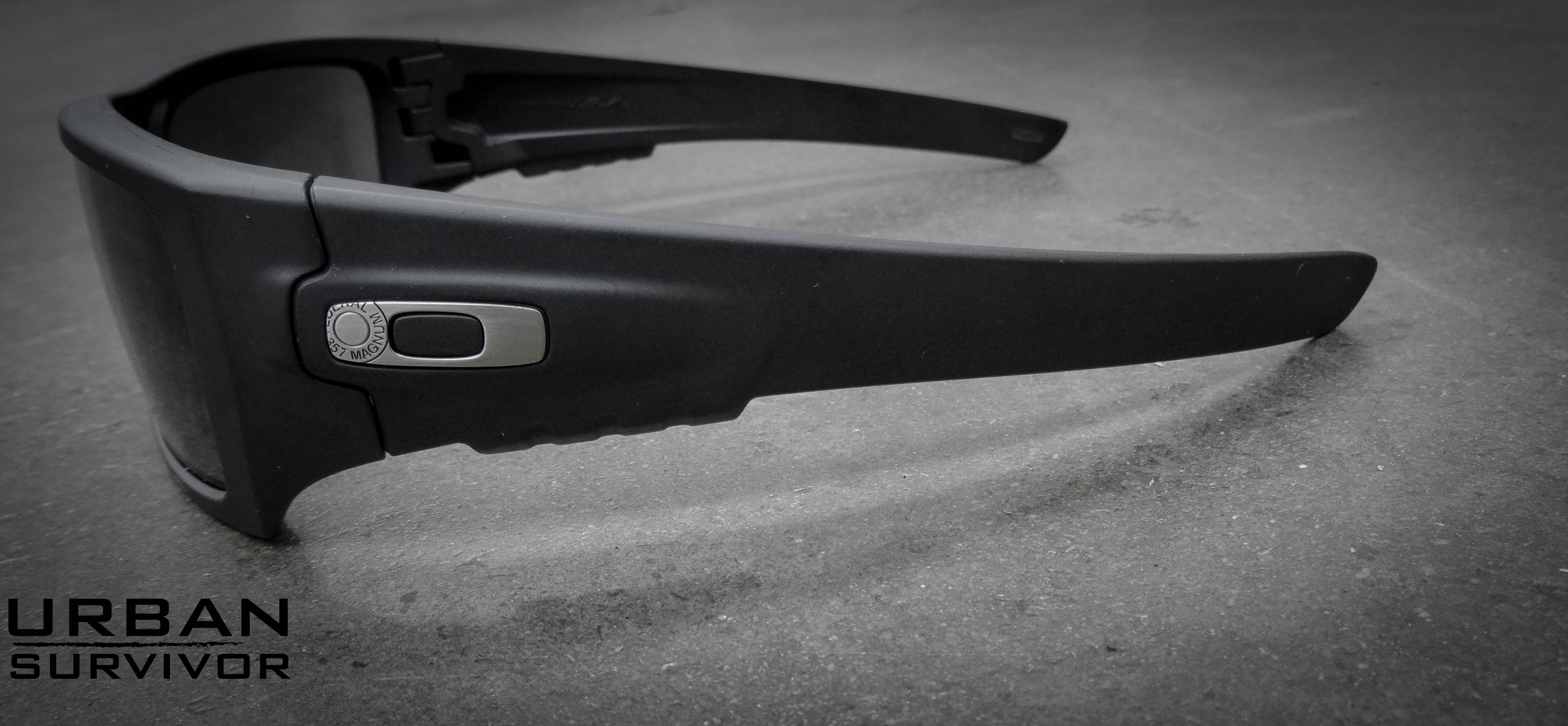
The lens placement on the Det Cord is slightly different from the usual sunglasses (aside from the ballistic protection). The frame design allows the lenses to sit very close to the user’s face, providing a very wide field of view. It also shields sunlight from any direct contact with the eye, above or beneath the lenses.
This design seem interesting also when speed is involved; with the lenses positioned so close to the user’s face the Det Cord appear to give some very good protection also from dust and wind.
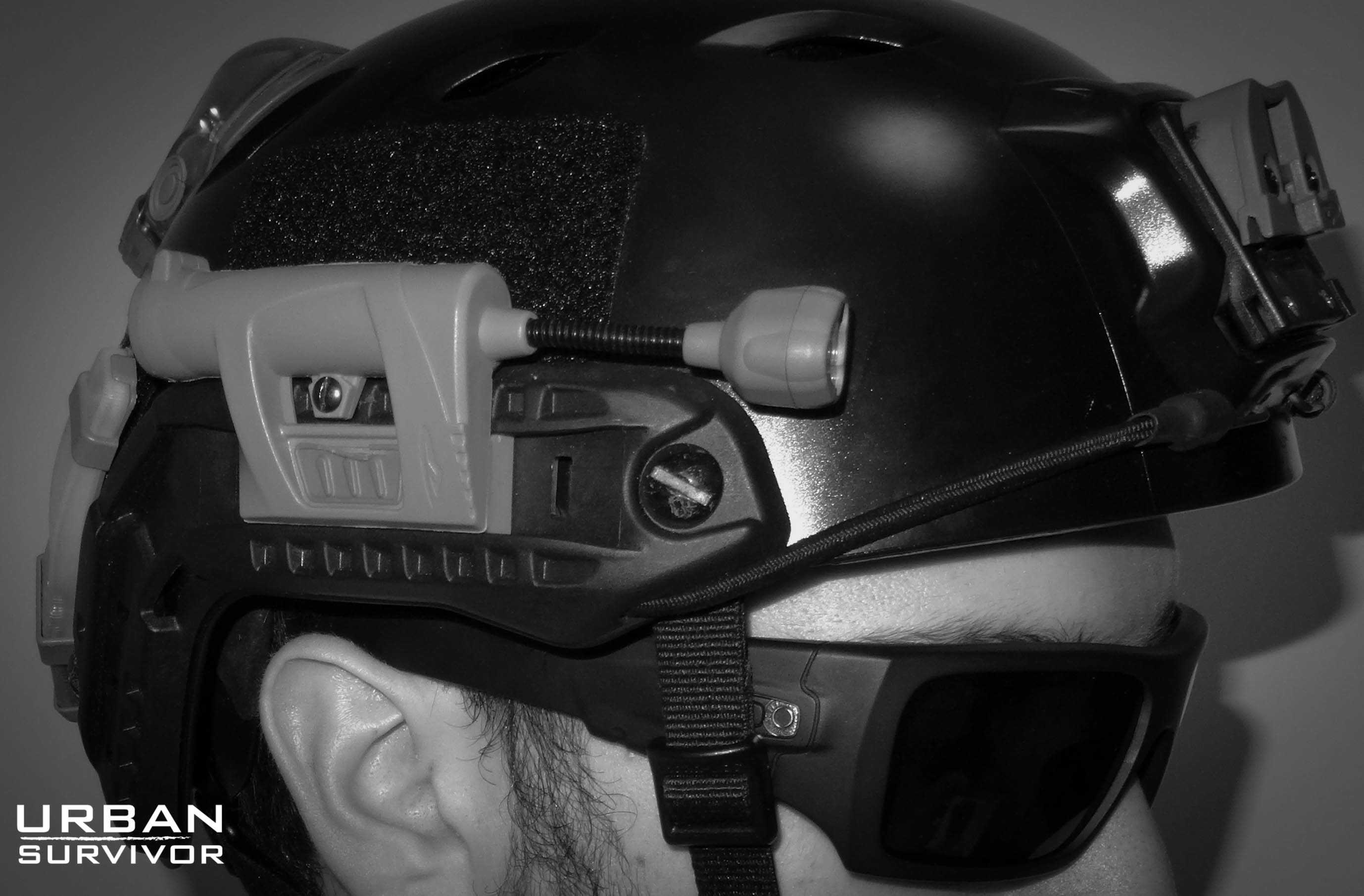
Oakley has designed these glasses with the tactical operations in mind. The thin construction of the ear stems allows the glasses to be comms compatible (or ear pro). Not having this feature would lead to the loss of the seal of the muffs, causing them to lose any hearing protection capability. A thinner design of the frame is also very important if an helmet is worn. If you are carrying a ballistic helmet with night vision, lights and accessories attached you will end up with quite some weight; so it is important to have a secured and comfortable fit.
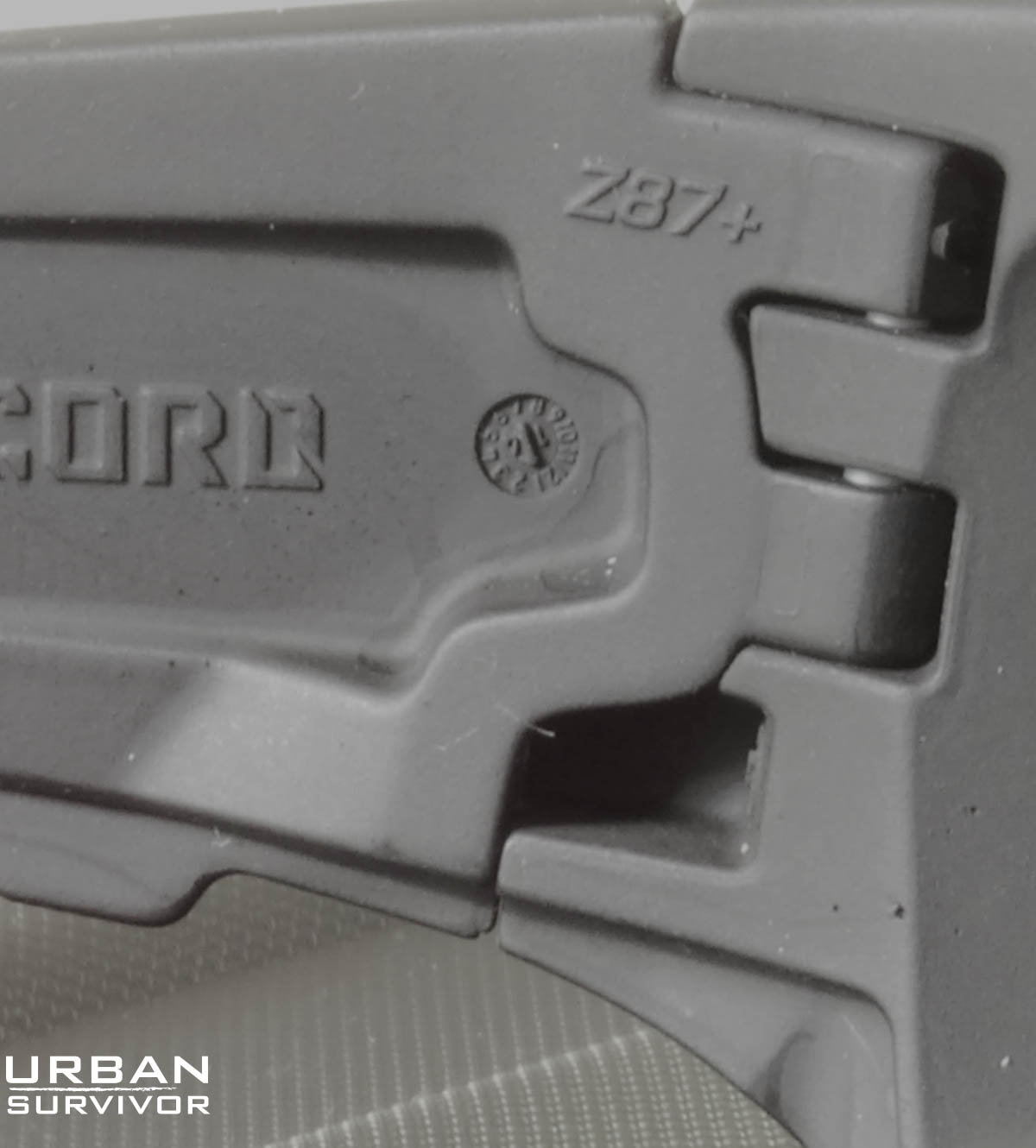
The DetCord are manufactured to conform to the ANSI Z87.1 – 2010 requirements. To meet the ANSI Z87.1-2010 rating the eye protection must exceed specific high mass – high velocity tests and provide continuous lateral coverage. Most competitors on the market don’t provide lateral coverage; the presence of a “+” after Z87 will assure the lateral coverage compliancy.
The DetCords high purity optical-grade polycarbonate also meet the ballistic fragmentation MIL-PRF-32432 required by NATO forces and DoD.

To enhance the performance of the product under stress Oakley has applied a very interesting material for the nose-piece. It’s always annoying when, under stress, sunglasses (or even worse eye pro) slip down on the nose because of the presence of liquids on the skin. To solve this issue Oakley has applied a rubberized material on the nose piece, and even after some pretty hard use it does not seem to come off.
Another issues that, with other optics, appears on similar activities is fogging. This phenomenon is due to the body heat and moisture condensing in small drops on the lens itself. When shooting it’s usually frequent to have fogging in the winter when utilizing a rifle or a carbine; usually after some sort of dynamic action. We have had the opportunity to test this product from late summer until now and, due to the coating applied to the lenses, we haven’t had a sigle issue.
The this version comes with Cerakote applied to the entire frame. This superficial finish enhances the anti-reflection capability of the Det Cord and it also provides longevity to the surface of the frame. When used in conjunction with helmet systems and comms usually eye-pro and sunglasses get scratched a lot, the application of Cerakote prevents this from happening.
Gear Review | Gerber MP1

The multi-tool is the most versatile and useful piece of equipment that can be carried, whether you’re in a urban area or out in the country you should never leave the house without one. The multiplier is the updated and more complex version of this tool and it’s usually equipped with a set of wire cutters and needle nose pliers.
Bushnell Equinox Z Night Vision

It’s always hard to get the job done when the sun goes down. Powerful lights have been helping us in many of these situations, but unfortunately we can’t always use such devices: in some situations we need to be able to see while not being seen. This is why, in the outdoors, we want use our eyes to adapt to the darkens and navigate through the environment using the surrounding natural light. However we don’t always have the possibility to utilize the light from moon or the glare of a nearby city reflecting off the humidity in the clouds to get the job done. Sometimes ambient light is just not enough. 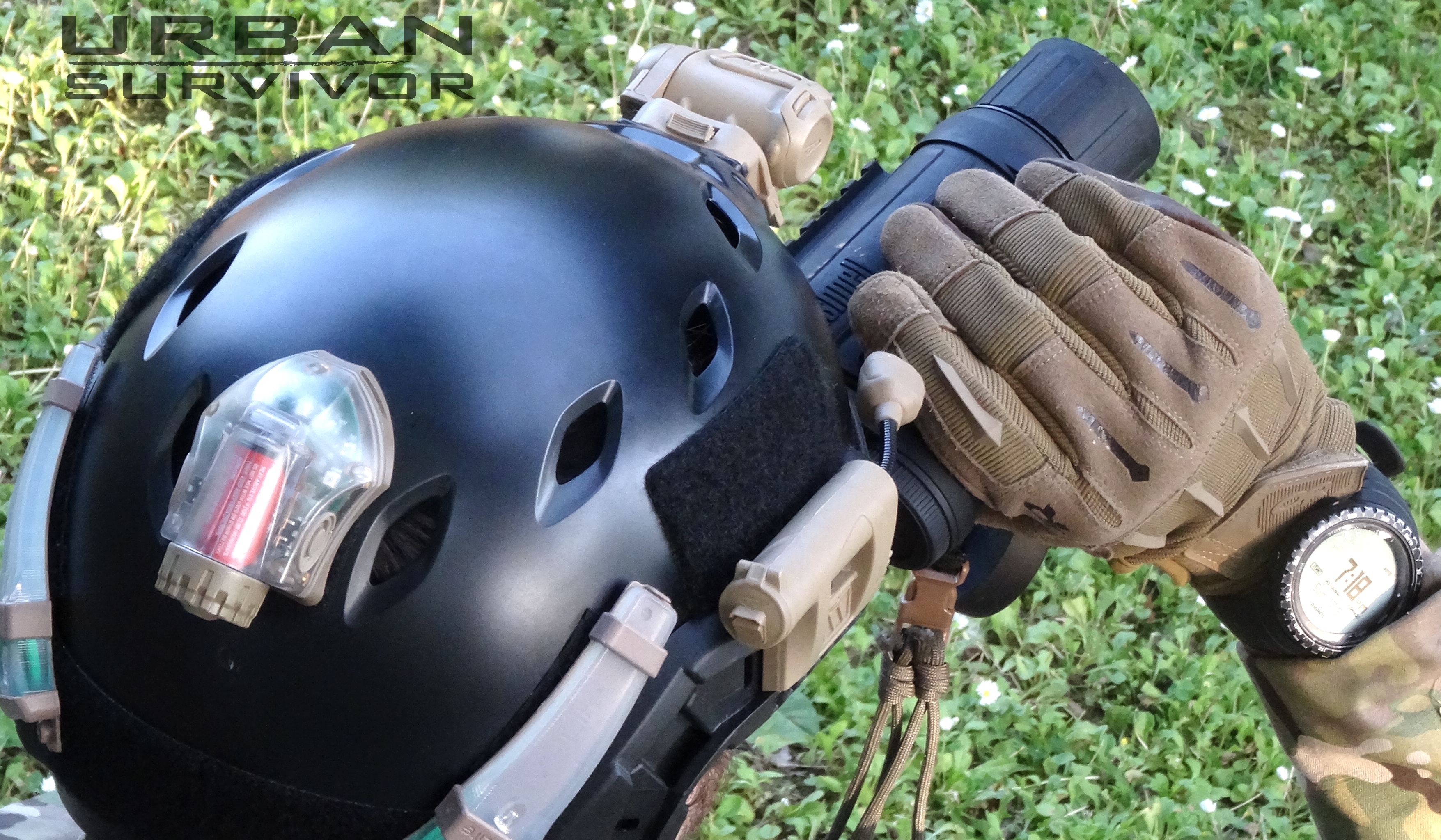 This is why, sometimes, is nice to have a device that is able to help us boost-up our night vision. To do this we had a chance to field test for about 6 months a night vision device: the Bushnell Equinox Z. Bushnell is well known for its quality product at an affordable price. Its well placed mid range product line was just the perfect fit for our needs.
  Yes, Gen2+Night Vision Devices are cool but they are so damn expensive! It is close to impossible for a non professional user to buy a decent quality gen2+ device. Since only a few years ago, if you didn’t want to buy one of those really expensive ones, you had to move on to an old Soviet built analog device. Luckily there are companies like Bushnell that in the last few yeas have been producing good quality DIGITAL night vision system that are affordable and well-made. Unlike first generation NVG units, the Equinox is totally digital, mounting a CMOS digital sensor this device is capable of delivering a good crisp image to the user. While doing so the device is also able to record both still and moving pictures. The behavior of this sensor is similar to the one of a digital camera, but in this case it is optimized for infrared light. While it’s night vision, these units can’t see in total darkness without help up to 200-300 yards. In this video the device’s IR illuminator is switched off so the only light source is the moon (1/4).
The Equinox Z monocle comes in three different variants: 3 x 30 mm, 4.5 x 40mm and 6 x 50 mm. Of these we had the chance to try out the mid version, the 4.5 x 40mm. The main difference between the three variants, apart from the dimensions, is the quality of the image: a bigger diameter of the lens will provide a more detailed image, especially at distance. Only measuring 164mm x 98mm x 62mm this device seems very compact and discreet and when not in use it can be easily stored in a cargo pocket. The weight is around 600 grams and considering it carries 4 AA batteries and it is IPX4 it isn’t bad at all! 
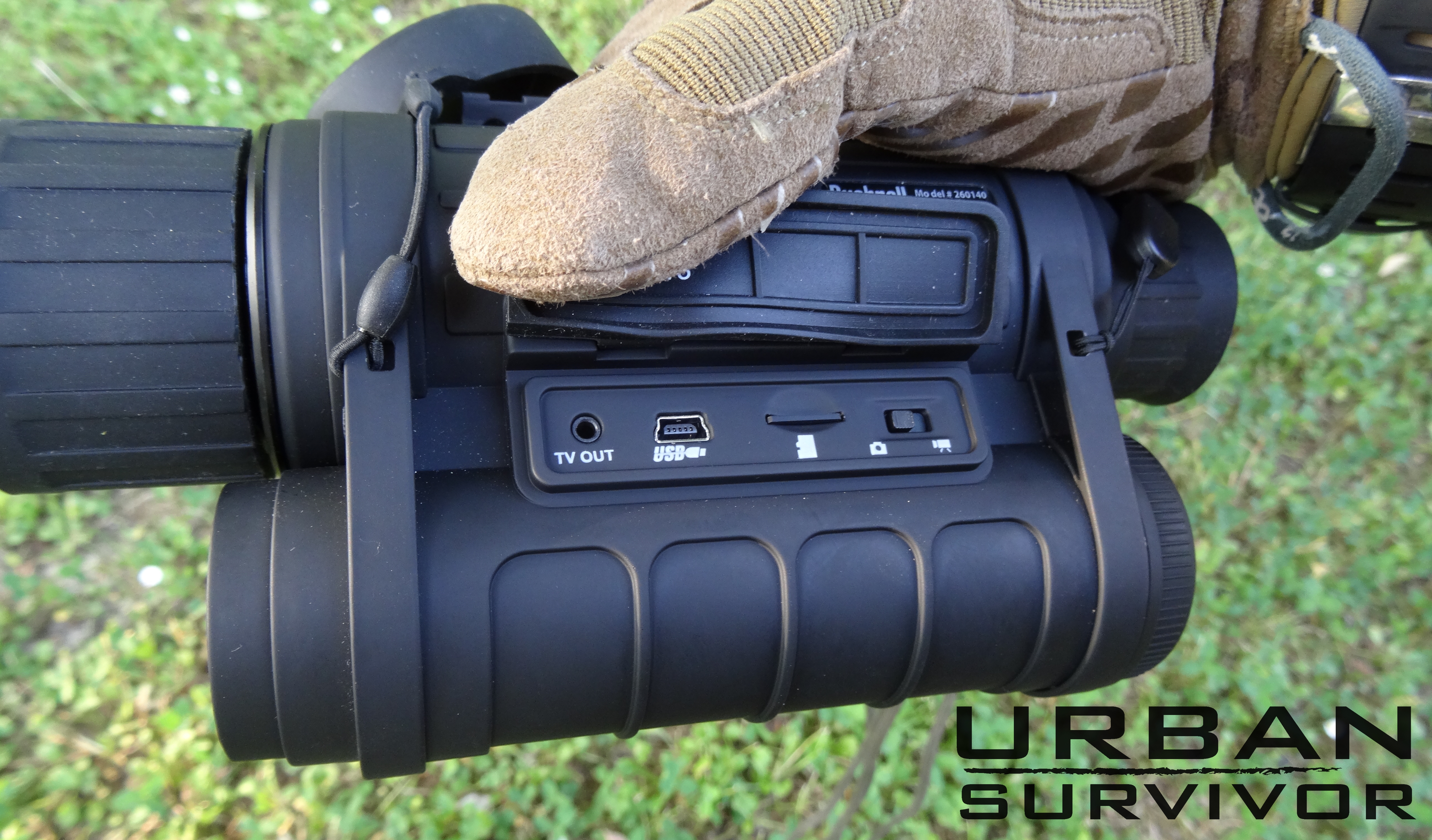
The 4.5 x 40 mm version has quite some features and buttons, in fact it took us a while to get familiar with the device, especially at night time. The top side of the Equinox has 6 buttons well protected by a rubber armor: ON-OFF, Zoom In – Zoom Out, IR settings, illuminator settings and Record.  On the lower side of the device is the tripod attachment point, with the traditional screw system. Next to it, under a protective cover, are three ports (TV Out, Mini USB, Micro-SD slot) and a switch (for still or moving pictures). t also features a Picatinny rail is on the side for mounting a more powerful infrared illuminator.
 The unit we have reviewed has a lot of magnification for night vision. The more magnification you get, the narrower the field of view and this cuts into situational awareness. If you are scanning a large area, it is harder to spot something. On the other hand, if you do spot it, the higher magnification makes it easier to figure out what it is. To show you what the magnification on this system can do we have recorded with a tripod an S&S Precision Manta Strobe (IR beacon) moving out to 1300 yards from one hill to another. The light conditions were not even the best, there was about 1/4 moon and it was cloudy. To raise the bar for the Equinox we also recorded the same video in the same light conditions at the same distance with two green S&S Precision V-light blinking. What we really liked about this night vision device is the crispness of the details in very low light conditions at a not so-close distance with the IR illuminator ON, to show you here is a video of a car moving from 50 yards to about 130 yards. (This video was recorded on a tripod) This is a still image shot at about 40 yards to show you how, even with the 3 x magnification, you can shoot a crisp image while standing and with no light other than the IR illuminator.
  As you can see this device is capable of great results for a very affordable price, by the end of Q2 2015 it should be around $ 300. The many features of this device make it really adaptable and versatile for many conditions, whether you are a tactical shooter, hunter or just outdoors enthusiast the Bushnell Equinox Z is perfect for you. Because we didn’t treat it well at all we can actually saw that this device is pretty of tough, so maybe it wouldn’t be bad also for some semi-professional uses (nothing too risky, we wouldn’t rely on this in a life or death situation but it still gets the job done).
We have used the Equinox Z mainly in rural environments and we feel that this is its playground, it could be used also in a urban area provided that the IR illuminator is switched OFF (even with naked eye you can see a little red glare coming from it) or you can mount a third party IR flashlight on the Picatinny rail on the side. Other than that, we loved playing with it and we feel that from now on we aren’t going anywhere without it.
Urban Survivor Blog

 Urban Survivor Blog